

Being a touring and recording artist might seem like its all glitz and glamor, but there’s plenty of financial stress that comes with it… just ask Mae Estes.
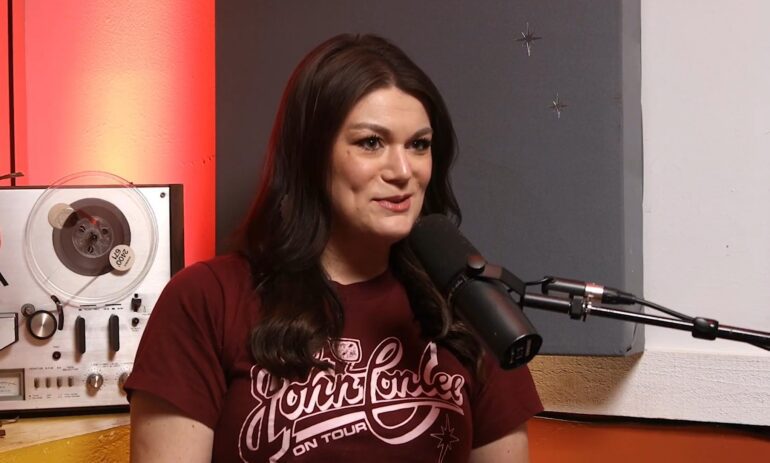
The “Mr. Fix It” singer recently joined the Whiskey Riff Raff podcast to discuss her latest project – The 90’s Called – and how she feels about other artists dipping into the sound of the “Golden Era of Country.” The country singer also talked about how much Dolly Parton meant to her as an artist (and inspired her to move to Nashville), and even touched on how she strives to be her authentic self even in the midst of occasional criticism.
She also discussed how long she’s been in Nashville, and what she’s been able to accomplish she made the move to “Music City.” Estes is fortunate enough to be touring, and she often frequents the Grand Ole Opry stage. So many people think she’s hitting it big right? The artist who never shies away from saying what she’s really feeling put her financial status like this:
“It’s a big, big money conversation. I’m lucky to be a touring artist. That’s kind of a separate part. There’s also recording artists. I’ve been on a label the last few years, but I was indie before that. So I’ve seen both sides of that. Then I’m a songwriter, so I have a publishing deal that I’ve had for the last six years. That’s a whole other income stream.”
Estes is having to juggle all of those things just to make it as an artist, all while people who don’t know how much it costs to be a recording, touring and songwriting artist.
The most lucrative of those three avenues, you might be asking? Estes says it’s actually the songwriting portion that keeps her afloat, and gives her the steadiest income:
“I’d say publishing has saved my life financially, getting paid a publishing draw. I write for Kobalt, and Stephanie Cox (the general manager and Senior Vice President of Creative) has been an absolute champion and mentor and blessing to me for so long. That draw is just about the only thing you can depend on. And that’s me being on a major label for the last four years.”
And it shouldn’t be all that surprising to hear that touring is the most expensive of the three options.
For artists, there’s nothing better than getting up on stage in front of their fans. But there’s also not much out there that costs them more. Estes didn’t tip toe around the reality of touring. Even for the big-time shows she’s booking… the “Do Ya” singer says she – and many other touring artists – are just breaking even:
“(I’ve been) touring my butt off on gigantic shows. Like really, really big, dream opportunities. You are just about breaking even if you are doing good on the road these days. The touring conversation alone can take up (a lot of time).”
When you factor in the economic impacts – like gas prices, flights, hotel rooms, and car rentals – touring is a bit of a money pit. Interestingly enough, Mae says that touring is one of the only industries keeping the travel industry afloat. And it’s all because… stop me if you’ve heard this before: everything is expensive.
Estes says you truly have to be in music for the love of music, because the money in it isn’t all that it’s cracked up to be:
“We’re getting paid less for our shows, actually. The opening slots are going down. People are struggling to buy tickets. People are struggling to buy food. It all makes sense economically, but I think there’s a disconnect when you put on the shiny rhinestone part of the show. You better not be doing it for the money, because you are gonna be sorely disappointed for a long time.”
Like I said earlier… not exactly glitz and glamor.
With all of that being said, we asked Estes if she saw any sort of light at the end of the tunnel. The good news is that she does… and that light will come in the form of touring shifting to smaller venues and less production:
“We’ve got giant stadium tours that are like, ‘Actually, never mind, because this isn’t the level we can do it anymore.’ I’m honestly a little excited to think about some smaller venues and shows. Maybe we’re able to have some more intimate, solo, acoustic kind of shows. You’re overheard is six times what it is solo acoustic when you bring a band out.”
Whatever it takes to keep the show on the road, right?
You can hear about all of that and a whole lot more from Mae Estes by checking out the interview on YouTube or making sure to download the podcast on Apple Podcasts by searching “Whiskey Riff Raff.”
We’re also available on Spotify and wherever else you can listen to podcasts.
Cheers, y’all.